




Searching for a new rental is as exciting as it is stressful. With South Florida being an increasingly popular relocation destination, Miami’s luxury condo market can pose another set of challenges. While supply is relatively high, lifestyle demand is arguably higher, so renters can expect a fair bit of competition. Luckily, there are still plenty of opportunities for prospective renters, especially if they enlist the help of a seasoned real-estate agent.
To ensure a smooth process from start to finish, read ahead for good questions to ask when renting a condo, compiled based on Blackbook Properties’ years of experience with clients, real-estate agents, and property managers.


— List of Questions to Ask Before Renting a Condo
#1. How Much Is the Rent?
This might seem like an obvious question, but certain incentives can be used to attract tenants, such as a free month of rent or waived internet bills, which means the price advertised reflects those initial discounts instead of the actual rent. Knowing the current state of Miami's rental condo market can add valuable context and help set expectations.
#2. What Are the Lease Terms?
In a big city like Miami, every condo rental will come with a lease. Contract terms vary—a standard lease lasts 12 months, but there can be flexibility for shorter or longer terms. Parking assignments, rent raises, pet policies, and quiet hours are stipulated on the lease.
#3. How Much Is the Deposit?
In Miami, renters usually pay the first and last month of rent upfront plus one month's deposit. However, in neighborhoods experiencing an inventory surplus, such as Brickell and Downtown Miami, landlords might offer reduced deposits to incentivize renters.
Some buildings also require a common-areas deposit, which remains on file until the end of tenancy and is refunded after move-out.
#4. What Are the Move-In Costs?
This is one of the best questions to ask when renting a condo. Depending on the property, rentals might require a $150 application fee, and some buildings also enforce refundable elevator and carpet deposits, from $500 to $1,000 and $250, respectively, to protect the facilities in case of damage during moving day.
#5. What Is the Application Process and Screening Criteria?
Tenants are usually required to pass background screenings and reference checks and should be prepared to provide bank statements for proof of funds. When renting a condo with an HOA, approval from the board is needed before moving in.
#6. When Can I Move in?
The move-in date is agreed upon between the tenant and landlord and will be stated in the lease.
#7. Can I Move In on the Weekend?
Elevators must be reserved in advance and condos usually don’t allow that on weekends, so a weekday move-in is more likely for a condo.
#8. How Do I Pay Rent?
This is entirely dependent on the landlord; some prefer online transfers through platforms such as Venmo or Zelle, while others only accept cash or checks.

#9. When Is the Rent Due? Are There Prorations?
While most buildings require rent to be paid on the first day of the month, the actual date varies depending on the tenant’s agreed move-in date, which might prorate the first month's rent.
#10. Are There Late Fees?
In most cases, tenants will have between three and five days to pay rent before any late fees are incurred. Although Florida law doesn’t mandate a limit on late fees, it states that Miami condo landlords should be “reasonable,” often understood by courts to mean charging 5–10% of the monthly rent.
#11. What Does the Security Deposit Cover?
Security deposits vary in their coverage. Normal wear and tear, for instance, is not typically considered a proper cause for withholding the security deposit, but deteriorated fixtures could be.
#12. What Is the Building's Pet Policy?
Recent statistics revealed that Floridians pamper their dogs the most, meaning pet policies can make or break a tenant’s condo search. In many cases, buildings require pet owners to pay a one-time, non-refundable deposit to cover deep-cleaning costs as well as any pet-related damage to the property.
Buildings might also have restrictions on the type of pets allowed, depending on traits such as size and breed.
#13. Can I Have an ESA?
By law, no emotional support animal (ESA) with the proper documentation can be rejected in any building. In 2020, Florida passed a new law that states what tenants and their current or prospective housing provider can and cannot do concerning ESAs.
#14. What Kind of Parking Is Available?
As with any metro area, parking can be difficult to find in Miami. Although most new-construction and preconstruction projects include parking, some condos only have valet parking, while others require tenants to join a waiting list for extra parking space. There is also the potential of needing to pay an additional fee.
#15. What Are the Amenities? When Can I Use Them?
If a building is undergoing renovations, some amenities may be closed to residents for some time. When they are operating, there could be stipulations about who can use them—for example, guests could be restricted from certain common areas.
#16. Is the Condo Also for Sale?
If the unit is both for sale and rent, tenants will likely need to make it available for viewings. In such cases, renters must state whether they agree to show the condo and how often and when. They should also know how the unit’s sale will affect their lease terms.
#17. Are There Plans to Update or Improve the Property?
If condo owners plan on upgrading the unit, tenants must know how this will impact their living situation; this also applies to building amenities, which would require specific areas to be temporarily out of service. Conversely, unit renovations might result in a rent increase.

#18. How Much Notice Will I Need to Give Before Moving Out?
Leases are usually signed for a specific amount of time and stipulate the deadline for tenants to give notice of their move-out date as well as how to notify the landlord. The standard notification period is 30 days, but it can vary.
#19. How Much Notice Must the Landlord Give Me if They Are Canceling My Lease or Need Early Termination?
In Florida, the law states that in a 12-month lease, the landlord must give a 60-day notice to terminate the contract.
#20. What Is the Penalty for Breaking My Lease?
In Miami, most leases include an automatic lease-cancellation addendum that typically charges the equivalent of two months of rent for breaking the lease. However, top real-estate agents can help negotiate these terms.
In special cases, such as military service members being re-stationed or having a change of orders, a lease may be terminated without penalty with 30 days' notice.
#21. Can I Do a Month-to-Month Lease?
In Florida, some leases state that after the initial 12-month contract, tenants can have a month-to-month lease with the same basic terms.
#22. Can I Sublet or Airbnb My Rented Condo?
Florida law doesn’t prevent tenants from subleasing, but many buildings do. In some parts of Miami Beach, for example, subletting is banned, with strict regulations enforced on short-term rentals.
#23. Can I Make Changes to the Unit?
Lease terms define whether renters can make physical changes to the unit, such as painting the walls or upgrading bathroom fixtures. Normally, these changes must be restored to their original state (or tenants must cover the costs of doing so) before move-out in order to retain the security deposit.
#24. What Appliances Are Included in the Unit?
One of the most relevant things to ask before renting a condo is what the appliance package includes. Generally, essential appliances, such as fridges, ovens, and smoke detectors, are part of the lease.
#25. Are Utilities Included? How Much Will Utilities Cost?
In some Miami condos, monthly rent might already include utilities, but not always. Property managers usually have an estimate of utility costs in the area as condos tend to charge additional fees for water, internet, trash pick-up, rental insurance, and pet rent.
#26. What Is Included in the Unit?
Units are often staged, meaning what renters see at viewings might not be there when they move in. In new buildings, condos might not include bathroom accessories, closet build-outs, light fixtures, and other key elements.
Some tenant requests could be accommodated if they’re stipulated on the lease, although this depends on the landlord and type of contract.
#27. Who Do I Contact with Any Issues?
Maintenance requests are usually handled directly through the property manager or leasing office, but some condos require contacting the landlord directly.
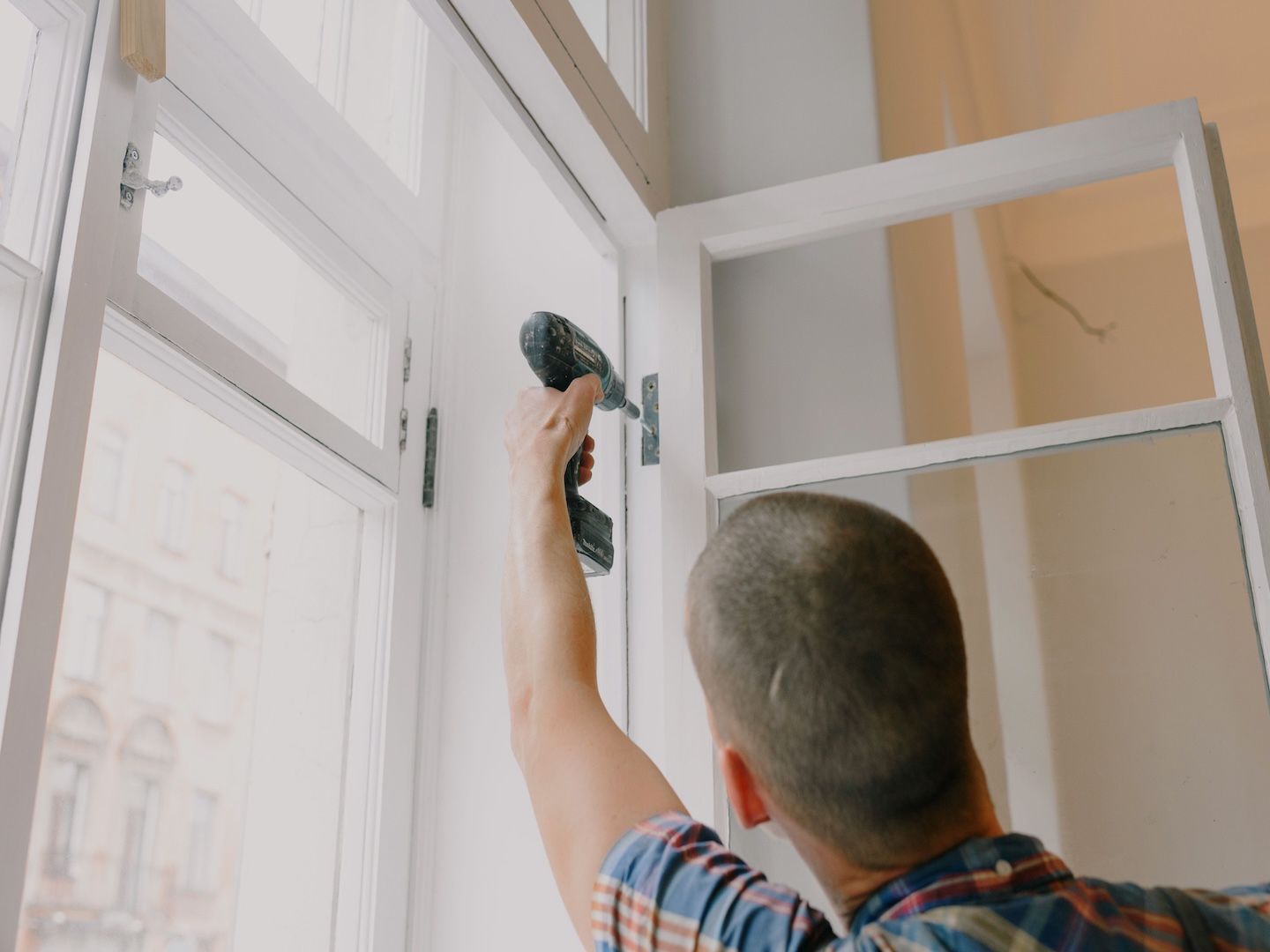
#28. What Types of Repairs Are Covered in the Rental Agreement?
Typically, the landlord covers all repairs not caused directly by the tenant’s negligence or misuse of the property. However, in cases such as broken fixtures or clogged drains, it’s usually the renter who pays.
#29. What Is the Building's Guest Policy?
On the list of questions to ask when renting a condo, knowing what the guest policy is is critical. The majority of leases include rules that determine how long a guest can stay at a unit and how many guests are allowed at one time.
#30. Where Will My Guests Park? How Much Does It Cost?
A free parking space isn’t always guaranteed in Miami, especially in its more compact urban areas. This information should be available through the property manager or leasing office.
#31. Is There Storage Space Available?
Some Miami condos might have storage units available for residents, but it’s not a given. The good news is that there are several third-party solutions around town at reasonable prices.
#32. What Kind of Public Transportation Is Nearby?
Unlike many US cities, Miami has several walkable pockets, including Miami Beach, Brickell, and Edgewater. Residents can take the bus, trolley, Metrorail, or Metromover depending on their location.
#33. Is the Property in a Good School District?
For parents, a quality school district in close proximity is a defining factor. Thankfully, Miami is equipped with excellent public and private-school options.
#34. How Safe Is the Neighborhood?
For both its suburbs and urban core, Miami’s crime rate continues to fall. If safety is a concern, we recommend reaching out to family, friends, and coworkers in the area to hear about their experience.
#35. How Secure Is the Building?
Luxury condos in Miami almost always include full-time security teams and surveillance systems, but we recommend consulting with your landlord and checking the building’s history.
#36. Can Roommates or a Partner Move In?
When more than one person rents a unit, all names must be included in the lease, although this can be waived in some cases. If a new person is moving in, it’s likely they would need to be approved by the HOA board and undergo a background check, just like the main tenant.
#37. Do I Need Rental Insurance?
Landlords will stipulate this on the lease, but, overall, it’s a smart idea for tenants to protect the value of their property in the event of a fire, flood, or robbery. In most cases, rental insurance also covers injuries caused by accidents inside the unit.
— Conclusion
Asking the right questions about your next condo rental helps ensure a smoother, less stressful experience from start to finish. Beyond the above inquiries, we also recommend enlisting the help of a real-estate agent to guide your search.
Equipped with over 20 years of local expertise and proprietary, data-driven insights on the current market, the Blackbook Properties team has the tools and resources you need to make an informed decision about your next rental. Call, text, or email us to connect.