



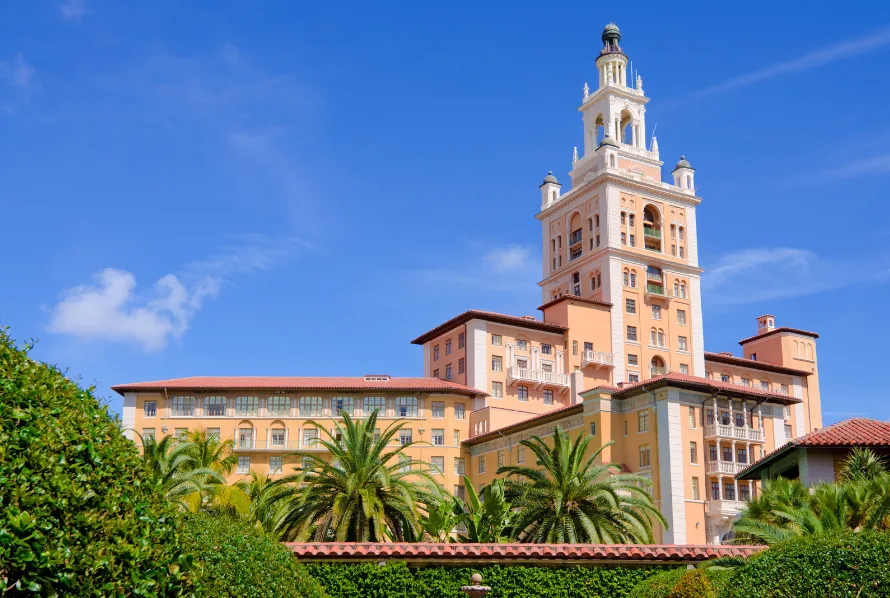
If you're looking for a new home in Miami or South Florida, you've probably heard about two of Miami's most popular neighborhoods: Coconut Grove and Coral Gables. While these two highly desirable areas share some similarities, each of them has a distinct flavor and differences.
For starters, and at the most basic level, Coconut Grove is a waterfront neighborhood in the City of Miami, set on Biscayne Bay, while Coral Gables is a completely separate municipality with its own government.
To get a better idea of all their differences and similarities, and to find out which neighborhood is best for you, keep reading our Miami Neighborhood Comparison.
— The Lifestyle
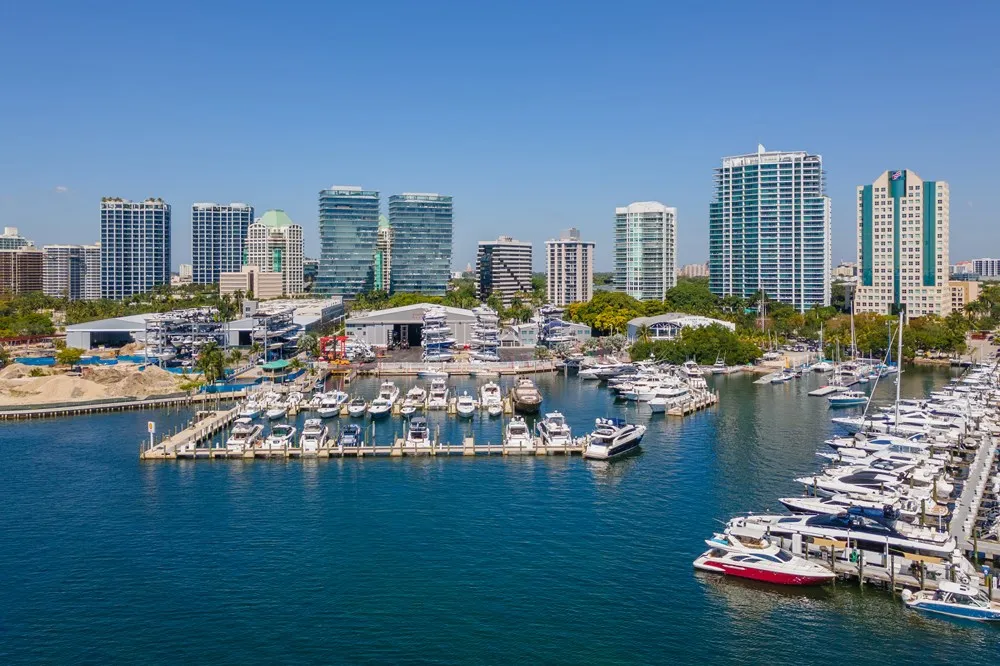
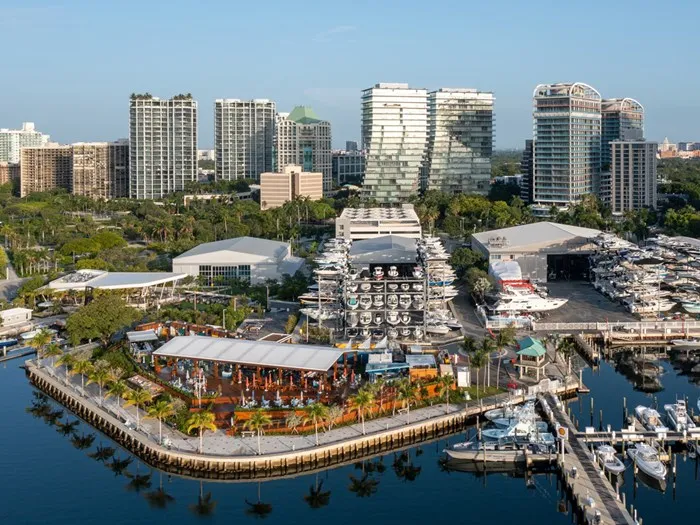
Miami's Coconut Grove neighborhood is a high-end but low-key community, established in 1825 on the shore of Biscayne Bay, and it’s known for its rich history and distinct Caribbean flavor. Located just south of Brickell, Miami's financial district, this area lets you stay very close to everything, but also away from it all.
A favorite for artists, design lovers, and families, Coconut Grove is also a haven for boating enthusiasts and those who love coastal living, thanks to its many marinas and sailing clubs. Favorites include the Coconut Grove Sailing Club, the Dinner Key Marina, the Coral Reef Yacht Club, and the Biscayne Bay Yacht Club.
The Grove’s streets are shaded by lush banyans, grand poincianas, and other tropical trees, giving the neighborhood a serene, almost jungle-like feel. Exotic birds add to its charm, from wild peacocks that roam the streets freely to colonies of parrots that escaped the pet trade and now have made the canopies their home.
If you’d like to get a real feel of what it’s like to live in the Grove, watch our walking tour of Coconut Grove.
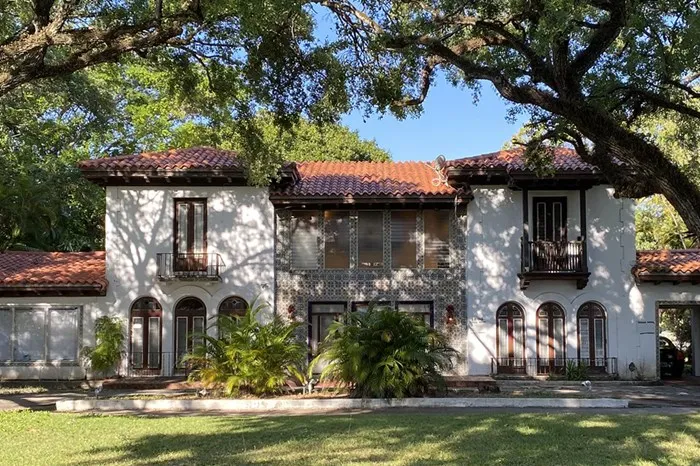
Coral Gables Home
Known as the “City Beautiful”, Coral Gables was the third municipality to be incorporated in Miami-Dade County, after Miami and Miami Beach. Originally a community of single-family homes, it began as an upper-middle-class enclave for University of Miami faculty, but has grown into a diverse city with an elegant lifestyle, strong community and popular downtown area.
The area has retained its Mediterranean architectural charm, in part due to strict design code regulations, but now boasts varied housing, including beautiful residential waterfront neighborhoods to the south of Coconut Grove along Biscayne Bay, dotted with marinas here and there.
Known for its vibrant cultural and academic scene, Coral Gables has long been a haven for those seeking residential tranquility—picture quiet streets, golf courses, and historic gardens—all while staying close to Downtown Miami and Brickell.
— Getting Around
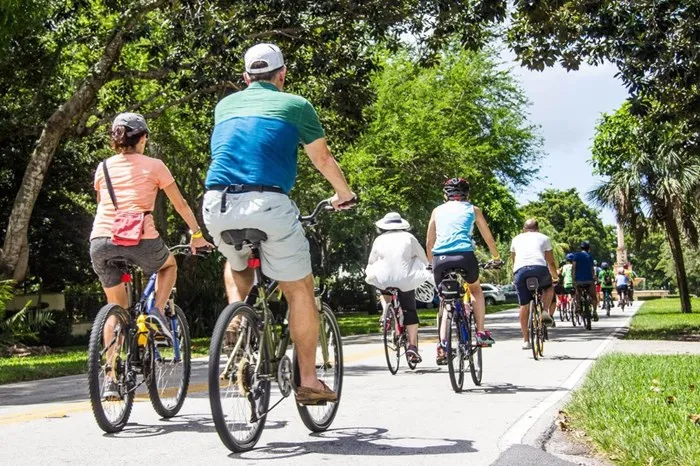
Biking through Coconut Grove and Coral Gables. Photo courtesy of Bike Walk Coral Gables
Both neighborhoods offer strong connectivity, which plays a big role in their long-lasting appeal. Coconut Grove has always been one of Miami’s most walkable areas, even back when the city was better known for its car culture. Residents regularly get around on foot, by bike, or via the free Coconut Grove Trolley.
The area is also served by the Metrorail’s Douglas Road and Coconut Grove stations, as well as several Metrobus routes that connect to other parts of the city, including south to Coral Gables. For airport access, you can take the Metrorail to the airport by transferring at the Earlington Heights station.
To support its pedestrian-friendly vibe, the Grove has added several new parking garages in recent years, making it easier to leave your car and explore on foot. Major roads like US-1 (South Dixie Highway), SW 27th Avenue, South Bayshore Drive, and South Miami Avenue offer direct access to Brickell, Downtown, and Coral Gables.
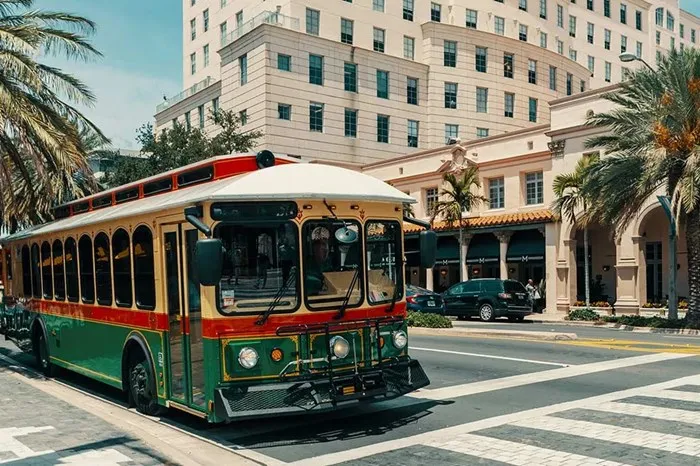
Free Trolley system in Coral Gables. Photo courtesy of Miami and Beaches
Coral Gables, while more residential, is still relatively accessible by public transportation. It’s served by the free Coral Gables Trolley, multiple Metrobus lines, and the Douglas Road Metrorail station near its northern edge.
Even though it’s a little farther from places like Downtown, Brickell or South Beach—typically a 20-30 minute drive—you can get many daily errands done without a car if you live close to main streets. Residents often walk or bike to local shops, restaurants, and offices, especially around Miracle Mile, Merrick Park, and Downtown Coral Gables. And for those who enjoy a scenic ride, the tree-lined residential streets make walking and cycling a pleasure. However, most residents of Coral Gables will have and will want to have a car.
Driving in and out of Coral Gables is fairly straightforward via major roads like US-1, Le Jeune Road (42nd Avenue), and Coral Way, all of which connect to key areas in Miami.
— The Work-Life Flow

Arquitectonica offices. Photo courtesy of Arquitectonica
Coconut Grove is primarily residential, but it boasts a vibrant commercial district filled with boutique hotels, small businesses, professional services, retail shops, and a diverse mix of restaurants. Much of the activity is centered around CocoWalk and Bayshore Drive, where you'll find sidewalk cafés, creative offices, and a growing number of luxury high-rises.
While the neighborhood doesn’t host major corporate headquarters, it’s a magnet for boutique firms, creative studios, and media companies, particularly in advertising, architecture, and production. The area has also become especially popular with remote workers and creative professionals, many of whom work from home or out of coworking spaces.
Adding to its creative character, the Grove is home to several renowned architecture firms—including Arquitectonica, Revuelta Architecture, Strang Design, and Beame Architectural Partnership—as well as Miami’s top real estate developers, like Terra Group, Alta Developers, ROVR Development, and Swerdlow Group.
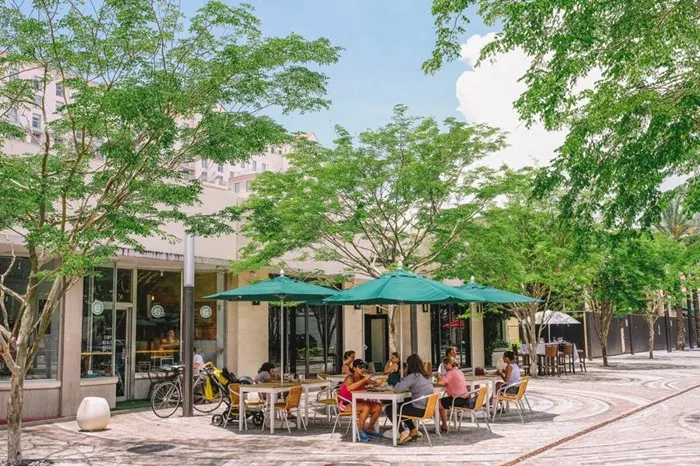
Miracle Mile. Photo courtesy of Miami and Beaches
Coral Gables blends residential charm with a thriving business environment. Its historic downtown is home to a wide variety of businesses, including retail shops, luxury brands, boutique hotels, and professional service providers like attorneys, designers, accountants, and real estate firms. The historic Miracle Mile remains the commercial and cultural heart of the city, lined with cafés, restaurants, and independent retailers that make it a hub for both locals and professionals, including Miami’s most beloved book store, Books & Books.
Beyond retail and services, Coral Gables is also home to several healthcare providers, including hospitals and cosmetic medical practices, and hosts regional offices and branches for a number of multinational corporations. At the core of the city’s economic and cultural life is the University of Miami, Coral Gables’ largest employer, which plays a major role in shaping the local economy, contributing to research, education, healthcare, and talent development. There is also a large University of Miami healthcare center in Coral Gables.
— Outdoor Living & Waterfronts
Both Coconut Grove and Coral Gables offer generous access to parks, gardens, and green spaces, which makes them two of the most nature-friendly neighborhoods in Miami.
Coconut Grove has a slight edge thanks to its waterfront location, tropical landscaping, and the sense that you’re living in one giant, tree-filled park. It also has a wilder, more organic feel. In contrast, Coral Gables is known for its manicured public spaces, including historic gardens, the Venetian Pool, and the Biltmore Hotel’s golf course, all carefully curated to reflect the city’s classic Mediterranean aesthetic.
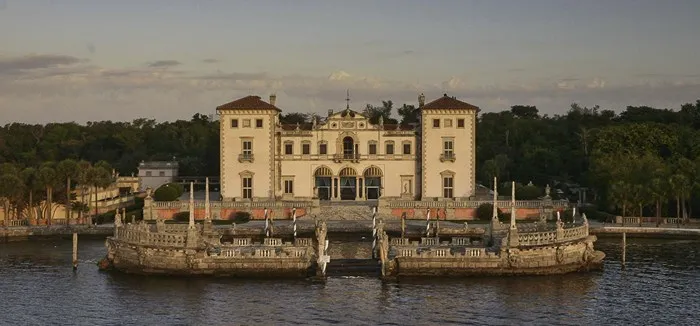
Vizcaya Museum in Coconut Grove
Coconut Grove’s lush, tropical landscape, with its canopy of stately trees, gives the neighborhood a relaxed, nature-forward vibe. Locals enjoy easy access to open green spaces like Kennedy Park and Peacock Park, where you can play volleyball, softball, or simply unwind by the water. With direct access to Biscayne Bay, it's also a haven for water sports like sailing, kayaking, paddle boarding, and fishing.
For those who enjoy a blend of history and nature, The Barnacle Historic State Park offers a quiet escape by the sea, while The Kampong, a botanical garden and former estate of famed botanist David Fairchild, remains one of the neighborhood’s hidden gems. Just nearby, the Vizcaya Museum and Gardens, with its European-inspired design and breathtaking grounds, adds a touch of historic grandeur to the area, and it’s weekend markets, yoga classes, and monthly nightly events are true locals’ favorites.
Coconut Grove is also known for being very pet-friendly, with plenty of green space, leash-free zones, and dog parks where your furry friends can roam freely.
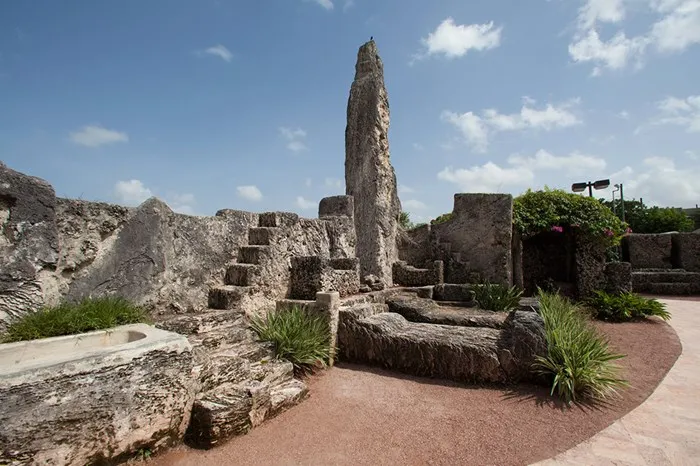
Coral Castle Museum in Coral Gables. Photo courtesy of Miami and Beaches
Coral Gables is full of outdoor spaces that reflect the city’s elegance and tropical charm. One of the highlights is the aforementioned Venetian Pool: a spring-fed, Mediterranean-style grotto built in 1923 and one of the city’s most beloved historic landmarks—and yes, you can swim in it. That’s the point! The nearby Biltmore Hotel and Golf Course is also an icon, adding to the city’s appeal for golf enthusiasts and history buffs alike, and has a very popular country club and beautiful pool to spend your weekends.
Two of Miami’s most treasured green spaces also call Coral Gables home. Matheson Hammock Park, a sprawling waterfront reserve, offers kayaking, paddleboarding, biking, and scenic walking trails—plus a popular atoll pool, a tidal salt water pool, right on Biscayne Bay. Just next door, the Fairchild Tropical Botanic Garden is one of the region’s largest and most beautiful gardens, with tropical plant collections, butterfly exhibits, and monthly and seasonal events.
Beyond the major landmarks, Coral Gables is dotted with small neighborhood parks like Ingraham Park, Merrie Christmas Park, and Jaycee Park, all perfect for a quiet stroll or catching a breeze under the shade.
— Arts & Culture
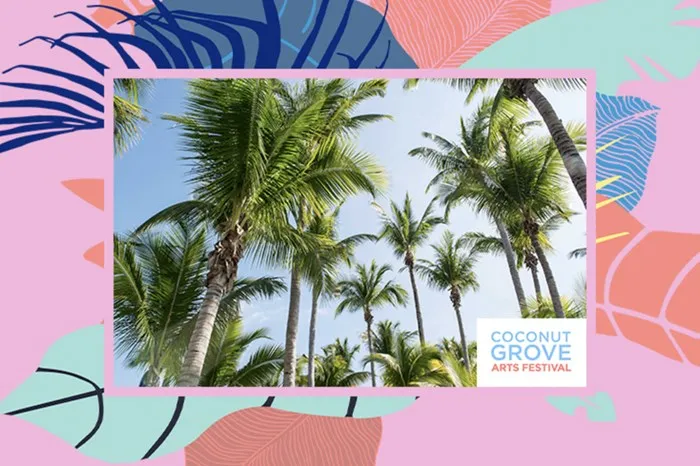
Both Coconut Grove and Coral Gables are rich in arts, culture, and history, and home to some of the earliest buildings in South Florida, including The Barnacle in Coconut Grove, Miami’s oldest house.
Coconut Grove has long attracted artists, free spirits, and cultural innovators. It’s home to South Florida’s first hotel, the historic Peacock Inn, and the Coconut Grove Arts Festival, the longest-running art fair in the United States. The neighborhood also hosts several beloved cultural events, including the Caribbean-inspired Goombay Festival, the quirky King Mango Strut, and The Taste of the Grove Food & Wine Festival.
Beyond festivals, the Grove features a number of art galleries and artist studios, as well as the iconic Coconut Grove Playhouse, currently under renovation and expected to be a key pillar of the local arts scene.

Coral Gables, meanwhile, has a more structured but equally vibrant cultural footprint. Theater lovers can take in performances at the acclaimed Actors’ Playhouse at Miracle Theatre and the GableStage (located in the Biltmore Hotel), which produces everything from Broadway and Shakespeare to contemporary plays.
Film buffs frequent the Gables Art Cinema, one of Miami’s top destinations for indie, foreign, and documentary films. The annual Carnaval on the Mile brings jazz, funk, and Latin music to outdoor stages along Miracle Mile. And at the University of Miami, the Lowe Art Museum, along with the university’s music and theater departments, offers a wide range of exhibitions and performances that enrich the city’s creative pulse.
— The Shopping Edit
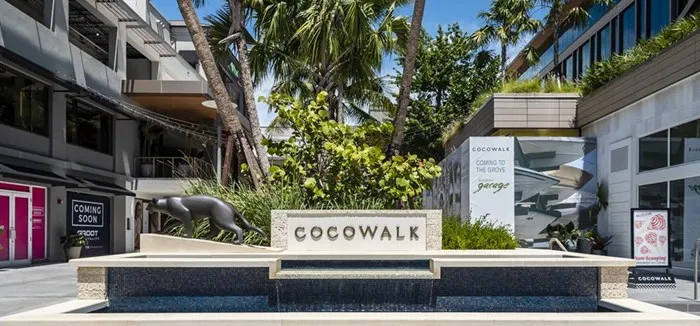
If it’s laid-back local finds or high-end designer pieces you desire, both neighborhoods deliver distinct shopping experiences that reflect their unique personalities. From open-air shopping centers and weekly markets to luxury boutiques and timeless streetscapes, there's something for every kind of shopper.
Coconut Grove offers a casual but stylish shopping experience, centered around CocoWalk—a partially open-air commercial hub with boutiques, cafes, restaurants, and a movie theater. The surrounding streets are lined with small, locally owned shops that reflect the Grove’s relaxed and creative energy.
On Saturdays, the Coconut Grove Organic Farmers Market is a favorite stop for locals and visitors alike, open from 10 a.m. to 7 p.m. at the corner of Grand Avenue and Margaret Street.
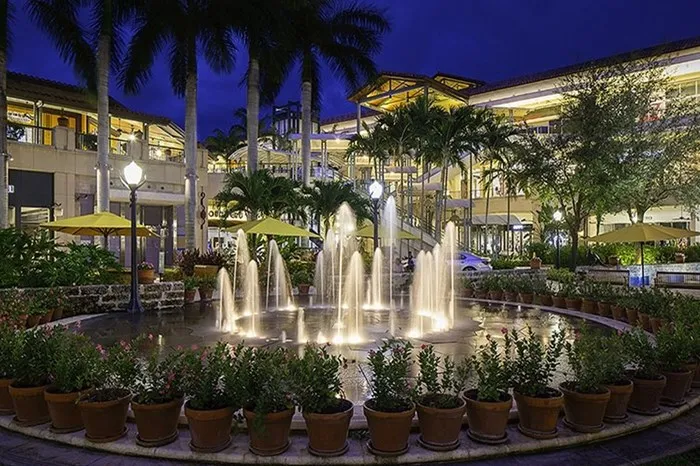
Merrick Park in Coral Gables. Photo courtesy of The Shops at Merrick Park
Coral Gables, by contrast, is known for its elegant and upscale shopping options. The Shops at Merrick Park, anchored by Neiman Marcus, offer a luxury retail experience with top international brands, while the iconic Miracle Mile is lined with unique boutiques, designer furniture showrooms, and fine jewelry stores.
Whether you're browsing for high-end fashion or one-of-a-kind finds, the Gables delivers a polished shopping experience.
— Signature Flavors
Miami’s food scene wouldn’t be complete without the flavor-packed offerings of Coconut Grove and Coral Gables. Each neighborhood brings its own culinary style, offering everything from sidewalk cafés and global fusion to fine dining institutions and long-time local favorites.
Coconut Grove may be smaller than Coral Gables, but it punches well above its weight when it comes to dining. The neighborhood is known for its casual charm, with trendy cafés, sports bars, and easygoing eateries tucked into lush, walkable streets. Foodies will find everything from vegan spots and street food to upscale seafood and steak.
Among the highlights are Michelin-starred Ariete, serving new American and classic French influences, and the Mexican restaurant Los Felix, boasting both a Michelin star and a Michelin Green Star. More notable spots include Bellini and Il Giardino, offering world-renowned Cipriani cuisine at Mr. C Hotel, and local favorites Lulu, for Mediterranean dishes, and Sapore Di Mare, for fine Italian dining. We also recommend Peruvian fusion at Jaguar, traditional Indian at Bombay Darbar, French classics at Le Bouchon Du Grove, and standout Mexican at Koko. For pizza lovers, Harry’s Pizzeria delivers one of the best artisan pies in town.
Coral Gables has one of Miami’s most diverse and refined dining scenes. Shingo, for example, is a Michelin-starred, 14-seat omakase experience serving a standout 18-course menu; while Fontana Italian, at the Biltmore Hotel, has one of Miami’s most romantic outdoor dining settings. Local favorites include Caffe Abbracci and Luca Osteria for Italian at its finest, and Graziano’s for top Argentine steaks. You’ll also find unique gems like Threefold Café, the city’s only Australian restaurant serving up a unique brunch menu, and Caja Caliente, known for its inventive Cuban fusion dishes.
— Top Schools
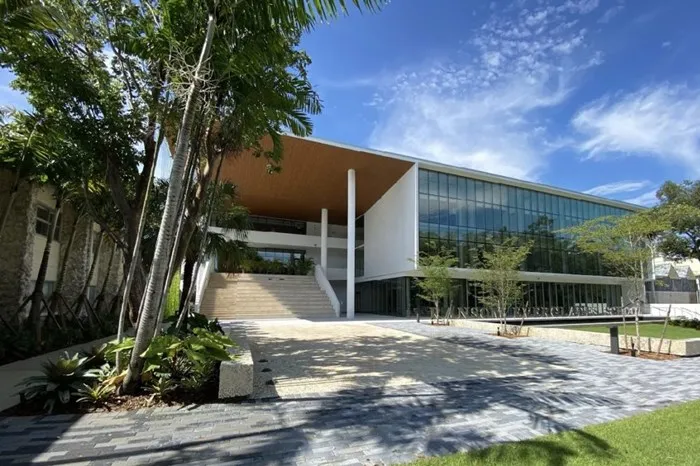
Ransom Everglades in Coconut Grove
Coconut Grove is home to some of Miami's most highly-ranked private and public schools, including the famed Ransom Everglades School and Carrollton School of the Sacred Heart, with their elegant and spacious campuses and elite private education.
Other private schools in the area are Saint Hugh, Saint Stephen's Episcopal Day School, Coconut Grove Montessori, the Vanguard School, and LaSalle High School. Public schools that serve the area include Coconut Grove Elementary, Frances S. Tucker Elementary, and George W. Carver Elementary and Middle Schools.

Private schools in Coral Gables include Gulliver Academy and Gulliver Preparatory Schools, Riviera Day School and Riviera Preparatory School, Saint Philip's Episcopal School, Saint Theresa Catholic School, and Saint Thomas Episcopal Parish School. Among the public schools, you will find Coral Gables Preparatory Academy, Coral Gables High School, and Ponce de Leon Middle School. Charter schools include Somerset Academy and Coral Gables Preparatory Academy.
— Architecture & Design
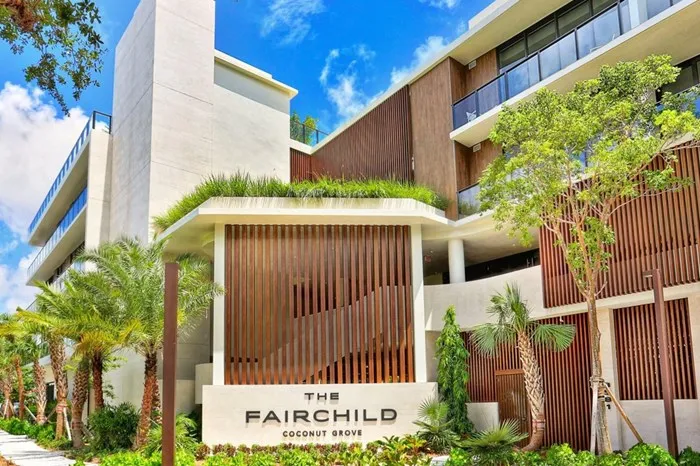
The Fairchild in Coconut Grove
Coconut Grove offers one of Miami’s most eclectic architectural landscapes, blending lush tropical charm with modern luxury. Here, you’ll find everything from mid-century bungalows and historic homes to sleek high-rises and waterfront mansions, all surrounded by abundant green space.
Architecturally celebrated condos like One Park Grove and Two Park Grove (by Rem Koolhaas/OMA), Grove at Grand Bay (by Bjarke Ingels), and The Fairchild (by Max Strang) have made the Grove a hub for design-forward living, while classics like Grovenor House and Grove Isle I, II, & III remain favorites for their marina views and resort-style amenities.
The neighborhood also boasts new developments like the Four Seasons Residences Coconut Grove (Revuelta Architecture) and Vita at Grove Isle (CallisonRTKL), which continue to raise the bar with boutique luxury and world-class hospitality in mind.
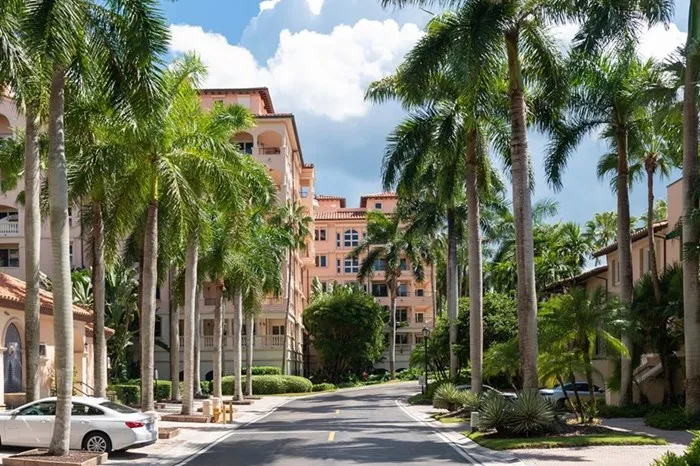
Padua Condo Deering Bay in Coral Gables
Coral Gables, by contrast, is one of Florida’s most carefully planned cities, founded in the 1920s as part of the City Beautiful movement. Its Mediterranean Revival architecture and strict design codes preserve a timeless, cohesive look. Most of the housing inventory consists of elegant single-family homes and estates, though luxury condos have become a growing part of the mix.
Some of Coral Gables’ most luxurious condos include Villa Valencia, a boutique-style building with just 39 large residences; The Gables Club, a waterfront two-tower community with a private marina and tennis courts; and Siena and Verona at Deering Bay, which offer a gated, resort-style lifestyle with golf and boating access.
New developments like Cassia Miami, The Avenue, and Gables Village are bringing fresh energy to the area, combining classic design elements with modern conveniences like short-term rental flexibility, rooftop gardens, and highly walkable layouts—all while preserving the city’s enduring elegance.
— Prices & Perspective
When it comes to condo pricing, Coconut Grove is considered a high-end and wealthy area, being notably more expensive than Coral Gables particularly when it comes to condos, attracting high-profile residents and luxury buyers with its waterfront setting and design-forward developments.
As of the time of publishing, the average condo listing in Coconut Grove comes in at $1,795,528, or $883 per square foot. On the high end, listings can reach as much as $22.5 million, with prices soaring to $4,080 per square foot in some of the most exclusive buildings.
Coral Gables, while more affordable on a per-square-foot basis for condos, still offers a wide range of options. The average condo listing in Coral Gables currently stands at $628,753, or $430 per square foot, with top-tier listings reaching up to $7.35 million or $1,614 per square foot.
It’s also worth noting that single-family homes in the Gables typically start around $1 million and can climb much higher, especially in historic or waterfront areas. And Coral Gables was recently considered one of the country’s most expensive zip codes.
Part of the pricing difference comes down to geography: with Coconut Grove being bordered by Biscayne Bay on multiple sides, waterfront views and marina access often command a premium. That said, both neighborhoods generally offer better value on a per-square-foot basis compared to other luxury Miami areas like South Beach or Downtown. But if you are looking for historic, estate sized single family homes, Coral Gables wins.
If you’re ready to find your perfect address in either of these neighborhoods, use our free and customizable condo search tools to browse available luxury homes in Coconut Grove and Coral Gables.
— Should I Move to Coconut Grove or Coral Gables?
Coconut Grove and Coral Gables are close neighbors with many shared perks—great schools, green spaces, and a high quality of life—but each has its own distinct personality.
Coconut Grove is tropical and laid-back. Its bohemian roots, lush setting, and walkable vibe attract self-made entrepreneurs, creative professionals, and families looking for a relaxed but sophisticated lifestyle with a side of sailing and sidewalk cafés.
Coral Gables, on the other hand, is all about timeless elegance. With its manicured streets, Mediterranean architecture, grand estates, and cultural institutions, it appeals to families, professionals, and those who appreciate a more curated, traditional sense of community.
Both offer fantastic access to the outdoors—Coconut Grove skews woodsy and wild, while Coral Gables feels polished and landscaped.
Need Help Deciding?
As locals who know these neighborhoods inside and out, we’re here to help you figure out which part of Miami fits you best. Whether you're just starting your search or narrowing it down, feel free to reach out by text, chat, email, or (our favorite) a good old-fashioned phone call. Let’s explore together.